Kupa Tea Facebook Kupa Tea twitter Kupa Tea pinterest

White Tea

  • Friday, December 12, 2014
  • Unknown

  • White tea is made from leaves of the tea plant Camellia sinensis same as green tea and black tea. The leaves are harvested while very young, and the buds are still covered in very fine, white hair. These hairs are what give white tea its name.
    white teaWhile black tea is harvested and dried leaves that are fermented before being cut up, white tea is only very gently dried. Because of this careful handling, white tea buds still have the same high concentration of antioxidants as fresh tea leaves. This dedication to perfection is evident in the cup, which is sweet and delicate with a clean, airy fragrance.
    White tea is cultivated primarily in China, mainly in the mountainous and fertile Fujian province, where white tea has a long history. The bushes on which the white tea leaves are to be grown are the ones that are best placed with respect to sunshine and rain.
    The best quality white tea is harvested first. The finest qualities of white tea, often called "Silver Needle", consists exclusively of the buds of tea leaves. These buds are hand picked during certain days in the spring, usually between March 15th and April 10th. By that time, the buds have reached the perfect balance between youth and maturity that gives the best-tasting tea. Only undamaged and unopened buds are used for Silver Needle. Other qualities of white tea may incorporate leaves that are no longer buds, but are still young, with the white fuzz still on them.
    The leaves and buds are withered over a few hours, then air dried. The temperature and even the air moisture are taken into consideration during the production, and the art is to get a perfect balance between solar withering and indoor withering. Like green tea, the leaves are not fermented at all. The extremely gentle and quick processing means that the buds and leaves are very close to their natural state. This allows the antioxidants in the leaves to survive intact, making white tea the best alternative for health-conscious aficionados. White tea is very rare, and can be much more expensive than other teas.

    white kupa teaProperly brewed white tea has a pale, slightly golden color, not unlike white wine. The scent is light and fresh, and the taste is mild and silky with a subtle, sweet aftertaste. The "grassy" aftertaste of green tea is quite absent in white tea, which can be drunk until it is cold without any noticable deterioration in taste or quality. White tea is the tea with the highest concentration of antioxidants and the lowest amount of caffeine.
    For centuries, white tea was the utmost luxury, reserved only for the Emperor of China. The history of white tea is fascinating and worthy of a thick book. It was about this time it was discovered that the youngest buds of the tea leaves would produce a superbly mild, silky and fresh tea – what we now know as white tea. For some time, only the emperor and his courtiers could enjoy this most exclusive of teas. It was rare and very expensive.
    White tea remained rare and unchanged until the nineteenth century, when specific types of tea bushes were cultivated to grow different varieties of white tea.
    The export of white tea to Western customers is a recent development in the history of white tea, and the exclusive and delicate product has only been bought by westerners in any volume for less than a decade. Demand is rising because of the health benefits of the antioxidants in the white tea, considered much higher than in ordinary black tea and even green tea.

    The Different White Teas

    Noble, Long Life Eyebrow (Shou Mei) - This variety of white tea is made from a different kind of tea plant than the three types of tea mentioned below. It is typically harvested later than the other three and has a darker appearance. It has a stronger flavor, comparable to Oolong tea.
    Tribute Eyebrow (Gong Mei) - This type of white tea consists of what is left after the higher qualities White Peony and Silver Needle have been harvested. It contains a few buds, but mainly young leaves.
    Snowbud - This very light tea is a great and affordable introduction to the world of white tea. It really lets you enjoy the subtlety and delicacy of this airy variety.
    Song Yang - This is a white tea variety that is hand made in the Song Yang region of the Zhejiang province. Three thousand tea leaves are meticulously harvested and processed by hand to make one pound of this exclusive white tea.
    White Peony (Bai Mu Dan) - The bud is harvested with two leaves. This is the second highest quality of white tea, and it comes from the same kind of tea plant as the Silver Needle. The buds and leaves are covered in the same white down as Silver Needle.
    Silver Needle (Yin Zhen) - This is the highest quality of white tea from China. It is hand picked during a short period in early spring, before the buds develop into leaves. Only undamaged, unopened buds are chosen, and it is prohibited to pick them if it is raining or too cold. The buds are of uniform length and thickness. They are springy and fleshy to the touch and covered with fine, white hairs. There are no leaves or stems in Silver Needle tea.

    Brewing

    White tea is the least processed and most delicate of all teas, and it is important to make sure that all its qualities survive the brewing process. It is particularly important to make sure that the strong concentrations of antioxidants in the buds and leaves are not weakened or depleted, and to ensure that the mild taste of the tea is not compromised.
    white teaThere are two factors that can ruin any cup of white tea, and they are hard water and water that is too hot. Hard water means that the water has a high mineral content, mainly calcium and magnesium. These minerals will impair the taste of the tea, and may also inhibit and bind many of the antioxidants. If you know that the water in your area is hard, it is a good idea to filter it before you use it to brew white tea.
    Always use fresh water from the tap to brew white tea, not water that has been sitting in your water heater or teapot for hours or days. White tea in itself has such a subtle taste that any residue or impurities will make themselves felt, and the tea will not taste as good.
    Heat the water to the boiling point, then let it cool. Never steep white tea in boiling water. 175-185 degrees Fahrenheit, or 80-85 degrees Celsius, is considered the optimal temperature for brewing white tea. Some will advise you to use water at 200 degrees Fahrenheit, or 95 degrees Celsius, but that would be too hot. Many antioxidants are destroyed at temperatures that close to the boiling point, and the tea becomes astringent and loses some of its best qualities as the leaves are cooked.
    The amount of tea you should use per cup of tea is a matter of taste and economics, since top quality white tea is by some margin the most expensive tea there is and you probably don't want to waste it. At Kupa Tea, we usually recommend using one teaspoon of white tea per cup, or one tablespoon for a pot of about one quart, or one liter. Depending on the quality of the tea, it should be steeped for under one minute, or slightly more. Silver needle quality tea should not be steeped for more than 30-40 seconds for the first steeping. Calculate steeping time depending on how you like your tea to taste. The longer you steep, the stronger the taste and the more pronounced the golden color.
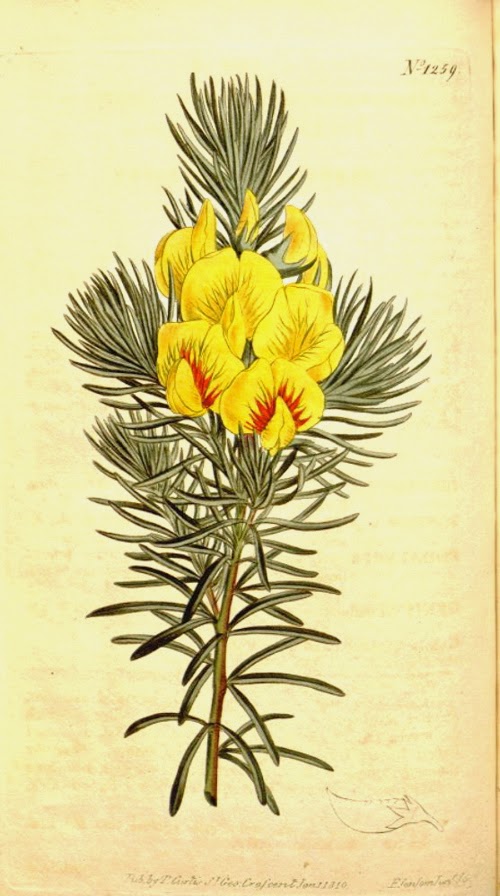
    Honeybush Tea

  • Friday, August 8, 2014
  • Unknown

  • About the plant

    The Honeybush is native to the cape of South Africa. It grows wild in the Western and Eastern Cape provinces from Piketberg to Port Elizabeth.

    Commercial supplies of honeybush are mainly obtained from Cyclopia intermedia and to a lesser extent from Cyclopia subternata, though there are 23 species of Cyclopia identified in this narrow region of South Africa. Most of the species have very limited distribution ranges and unique habitat preferences. Some are restricted to mountain peaks, perennial streams, marshy areas, shale bands, and wet southern slopes. It appears that all the Cyclopia species are suitable for making tea, but the taste quality can vary, and some species exist in very small quantities.

    South Africa’s honeybush industry is still very young and produces only about 200 tonnes of honeybush each year. Most of this crop is exported to countries such as the Netherlands, Germany, the UK and the USA.

    Most of the honeybush tea (about 70%) is still collected from wild populations , but cultivation has become necessary with the rapid growth of the industry. In 1998, a group of farmers formed the South African Honeybush Producers Association (SAHPA). In the spring of 2001, the first large scale South African plantation dedicated to honeybush began operation in the town of Haarlem. The farm is the result of a joint partnership between South Africa and the U.S. (one of the larger customers, next to Japan and Canada). The goal is to develop a successful cooperative farm operated by local farmers who will cultivate 100,000 or more honeybush plants. Based on a successful start of the Haarlem plantation, other cultivation projects started in Ericaville, Groendal and Genadendal.


    International interest in honeybush is traced back to the tea trade of the Dutch and the British. The honeybush plant had been noted in botanical literature by 1705. It was soon recognized by the colonists as a suitable substitute for ordinary tea. In King's American Dispensatory of 1898, under the heading of tea, honeybush is already listed as a substitute, with reference to a report from 1881 indicating use of honeybush as a tea in the Cape Colony of South Africa. The native tribes of the South African Cape were also using the tea for treatment of coughs and other upper respiratory symptoms associated with infections. The earliest evidence of scientific research, however – when scientists documented that this herbal drink is caffeine free – comes from 1881.

    Uses

    Honeybush tea has no caffeine and very little tannin but it is rich in antioxidants, so it's a great tea to have on hand in your kitchen. It's a soothing drink to have anytime.

    A cup of Honeybush tea is brewed in the same way as you would any other type of tea. It enhances in flavor the more time you allow it to brew.

    Even though it's an herbal tea, it tastes good with milk, but it tastes good on its own too. People usually drink it hot but it makes a great summer drink served cold with ice and lemon.

    Kids love it because it tastes good and it's sweet, as the name implies. Especially in the hot weather, kids want lots to drink and this is a far better option than soda.

    It is particularly popular in Japan, Germany and Switzerland where people are very interested in drinks that are healthy.

    It can also be used as a base for sauces and marinades, and/or enhance natural flavors when combined with any vegetable stew or casserole. With its delicious flavor and many uses & benefits, Honeybush tea is a must have in any household.

    The science behind the sweet

    One of its early recognized benefits as a tea substitute is its lack of caffeine, which makes it especially suited for nighttime consumption and for those who experience nervousness and want to avoid ordinary tea. As a result, it had a reputation as a calming beverage, though it may not have any specific sedative properties. It also has a low content of tannins, so it doesn't make a highly astringent tea, which can be a problem with some grades of black or green tea or when ordinary tea is steeped too long.

    Scientific analysis of your typical cup of Honeybush reveals an impressive range of minerals needed for good health; such as Nitrogen, Phosphorus, Potassium, Calcium, Magnesium, Sodium, Zinc, Manganese, Iron, and Boron. The traditional use of the honeybush tea for treating cough may be explained, in part, by its content of pinitol, a modified sugar that is similar to inositol. Pinitol, named for its major source, pine trees, is also found in the leaves of several legume plants; it is an expectorant. Pinitol is also of interest for apparent blood-sugar lowering effects, as demonstrated in laboratory animal studies (it may increase the effects of insulin), and is being considered as a drug for diabetes. Researchers also started unravelling its complex chemical make-up and found clues that it could help relieve menopause-related symptoms and protect post-menopausal women against cardiovascular disease and osteoporosis. Honeybush contains flavones, isoflavones, coumestans, luteolin, 4-hydroxycinnamic acid, polyphenols, and xanthones. These ingredients serve as antioxidants, those free-radical fighters which slow the ageing process of the body's cells. The major anti-oxidant in honeybush is mangiferin, a compound that is also found in mango, but otherwise uncommon in our diet. The isoflavones and coumestans are classified as phytoestrogens, used in the treatment of menopause symptoms, an application for which honeybush has recently been promoted. The flavones and isoflavones of honeybush are similar to those in soy, another plant, also used in treatment of menopausal symptoms.


    Recent scientific studies on Honeybush are not extensive enough to make any far- reaching medical claims; however, Honeybush tea is believed to have anti-carcinogenic (cancer-fighting), anti-fungal, antispasmodic and anti-depressant properties. It may also repair sun damage, aid digestion, even stimulate milk production in nursing mothers.
    To enjoy this amazing drink and all its benefits Click Here.

    Spring Clean Your Body

  • Friday, April 4, 2014
  • Unknown

  • It looks like spring is finally here and as usual it brings some thoughts about summer, warm weekends with friends enjoying BBQ and drinks, trips to a lake and whatever else you enjoy doing during that season. As every spring you want to clean your house and storage spaces and backyard and also your body needs a bit of 'spring cleaning' too! Good idea to do that before summer season and all those burgers and hot dogs or time on a beach.  

    There are many ways you can detox your body and you can get some tips in our future posts, but our favourite is Kupa Tea Detox Tea. It is gentle, very tasty (citrusy), amazingly refreshing, just like warm spring breeze and as additional benefit it is Organic. I don't know about you, but for me it is a big plus. Also it is in loose leaf form, so no bags and no dust. Try it for yourself. 


  • Sunday, December 15, 2013
  • Unknown
    1. To Tea or Not to Tea?

    Tea can boost exercise endurance. Scientists have found that the catechins (antioxidants) in green tea extract increase the body’s ability to burn fat as fuel, which accounts for improved muscle endurance.
    1. Drinking tea could help reduce the risk of heart attack. Tea might also help protect against cardiovascular and degenerative diseases.
    2. The antioxidants in tea might help protect against a boatload of cancers, including breast, colon, colorectal, skin, lung, esophagus, stomach, small intestine, pancreas, liver, ovarian, prostate and oral cancers.
    3. Tea helps fight free radicals. Tea is high in oxygen radical absorbance capacity, which is a fancy way of saying that it helps destroy free radicals (which can damage DNA) in the body. While our bodies are designed to fight free radicals on their own, they’re not 100 percent effective — and since damage from these radical oxygen ninjas has been linked to cancer, heart disease and neurological degeneration, we’ll take all the help we can get.
    4. Tea is hydrating to the body (even despite the caffeine!).
    5. Drinking tea is linked with a lower risk of Parkinson’s disease. When considered with other factors like smoking, physical activity, age and body mass index, regular tea drinking was associated with a lowered risk of Parkinson’s disease in both men and women.
    6. Tea might provide protection from ultraviolet rays. We know it’s important to limit exposure to UV rays, and we all know what it’s like to feel the burn. The good news is that green tea may act as a back-up sunscreen.
    7. Tea could keep waist circumference in check. In one study, participants who regularly consumed hot tea had lower waist circumference and lower BMI than non-consuming participants. Scientists speculate that regular tea drinking lowers the risk of metabolic syndrome (which increases the risk of diabetes, artery disease and stroke), although it’s important to remember that correlation does not equal causation.
    8. Regular tea drinking might also counteract some of the negative effects of smoking and might even lessen the risk of lung cancer (good news, obviously, but not a justification for cigs).
    9. Tea could be beneficial to people with Type 2 diabetes. Studies suggest that compounds in green tea could help diabetics better process sugars.
    10. Tea can help the body recover from radiation. One study found that tea helped protect against cellular degeneration upon exposure to radiation, while another found that tea can help skin bounce back postexposure.
    11. Green tea has been found to improve bone mineral density and strength.
    12. Tea might be an effective agent in the prevention and treatment of neurological diseases, especially degenerative diseases (Alzheimer’s). While many factors influence brain health, polyphenols in green tea may help maintain the parts of the brain that regulate learning and memory.

    Who Invented Iced Tea?

  • Monday, July 8, 2013
  • Unknown
  • Conventional wisdom holds that iced tea was invented in 1904, at the St. Louis World's Fair, by a British tea merchant named Richard Blechynden. While he may have helped popularize iced tea, "tea punches" – alcoholic ancestors of the drink – were served decades earlier in the United States, and at least one late 19th century cookbook includes a recipe for iced tea. Interestingly, about 80 percent of the tea served in the United States today is iced tea. Try our special summer blends of Ice Tea

    TEA - Drink It COLD This Summer!

  • Tuesday, June 25, 2013
  • Unknown

  • On a hot summer day nothing could be more refreshing than a glass of Iced Tea. Making your own Iced Tea from Kupa Tea Ice Tea blends is a great way to enjoy a reviving drink this summer. Make it just the way you like it adding fruits, berries or lemon, sweetening with sugar or honey. Find some great Iced Tea recipes on our site or try your own. No artificial flavours, colors or excessive sugar. Just make it the way you like and enjoy!
  • Friday, May 10, 2013
  • Unknown
  • 13 Reasons Tea Is Good for You

    1. Tea can boost exercise endurance. Scientists have found that the catechins (antioxidants) in green tea extract increase the body’s ability to burn fat as fuel, which accounts for improved muscle endurance.
    2. Drinking tea could help reduce the risk of heart attack. Tea might also help protect against cardiovascular and degenerative diseases.
    3. The antioxidants in tea might help protect against a boatload of cancers, including breast, colon, colorectal, skin, lung, esophagus, stomach, small intestine, pancreas, liver, ovarian, prostate and oral cancers. But don’t rely solely on tea to keep a healthy body — tea is not a miracle cure, after all. While more studies than not suggest that tea has cancer-fighting benefits, the current research is mixed.
    4. Tea helps fight free radicals. Tea is high in oxygen radical absorbance capacity (“ORAC” to its friends), which is a fancy way of saying that it helps destroy free radicals (which can damage DNA) in the body. While our bodies are designed to fight free radicals on their own, they’re not 100 percent effective — and since damage from these radical oxygen ninjas has been linked to cancer, heart disease and neurological degeneration, we’ll take all the help we can get.
    5. Tea is hydrating to the body (even despite the caffeine!).
    6. Drinking tea is linked with a lower risk of Parkinson’s disease. When considered with other factors like smoking, physical activity, age and body mass index, regular tea drinking was associated with a lowered risk of Parkinson’s disease in both men and women.
    7. Tea might provide protection from ultraviolet rays. We know it’s important to limit exposure to UV rays, and we all know what it’s like to feel the burn. The good news is that green tea may act as a back-up sunscreen.
    8. Tea could keep waist circumference in check. In one study, participants who regularly consumed hot tea had lower waist circumference and lower BMI than non-consuming participants. Scientists speculate that regular tea drinking lowers the risk of metabolic syndrome (which increases the risk of diabetes, artery disease and stroke), although it’s important to remember that correlation does not equal causation.
    9. Regular tea drinking might also counteract some of the negative effects of smoking and might even lessen the risk of lung cancer (good news, obviously, but not a justification for cigs).
    10. Tea could be beneficial to people with Type 2 diabetes. Studies suggest that compounds in green tea could help diabetics better process sugars.
    11. Tea can help the body recover from radiation. One study found that tea helped protect against cellular degeneration upon exposure to radiation, while another found that tea can help skin bounce back postexposure.
    12. Green tea has been found to improve bone mineral density and strength.
    13. Tea might be an effective agent in the prevention and treatment of neurological diseases, especially degenerative diseases (think Alzheimer’s). While many factors influence brain health, polyphenols in green tea may help maintain the parts of the brain that regulate learning and memory.
    Source: 


    Copyright 2010 Kupa Tea